Think Sheet Behavior Reflection: A Tool for Positive Behavioral Growth
In today's fast-paced educational environment, fostering positive behavior in children is more important than ever. One effective tool that has gained attention among educators, parents, and counselors is the Think Sheet Behavior Reflection. This resource offers a structured yet flexible approach to helping children understand and reflect on their actions, promoting self-awareness and responsible decision-making.
Understanding Think Sheet Behavior Reflection
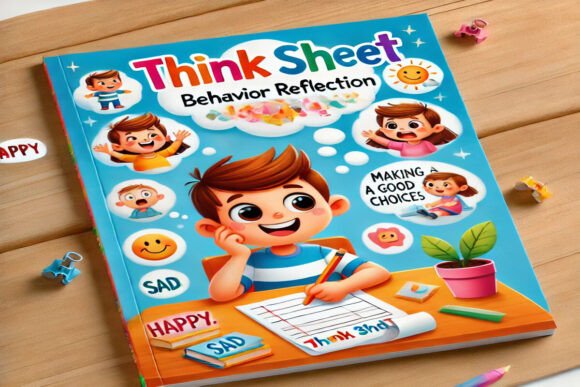
The Think Sheet Behavior Reflection is a practical strategy designed to guide children through a process of self-evaluation after an incident or behavior. It encourages them to think about what happened, how they felt, and what they could do differently next time. This reflective practice not only helps in addressing immediate behavioral issues but also supports long-term social-emotional development.
By using a simple, visual format, the think sheet makes it easier for young learners to engage with complex emotions and situations. It often includes prompts such as "What did I do?" "How did I feel?" and "What can I do next time?" These questions are carefully crafted to promote critical thinking and empathy.
Key Features of Think Sheet Behavior Reflection
- Structured Reflection: The think sheet provides a clear framework for children to evaluate their actions and emotions.
- Encourages Self-Awareness: By prompting children to reflect on their behavior, it helps them develop a deeper understanding of themselves and their impact on others.
- Supports Emotional Regulation: The process of reflection can help children manage their emotions more effectively by giving them a safe space to express their thoughts.
- Promotes Accountability: Children learn to take responsibility for their actions, which is a crucial life skill.
Where and How Think Sheet Behavior Reflection Is Used
The Think Sheet Behavior Reflection is particularly useful in classroom settings where teachers aim to create a positive learning environment. It can be integrated into daily routines, used during conflict resolution, or applied after specific incidents to encourage constructive dialogue.
For instance, if a student disrupts the class, the teacher might use a think sheet to help the child reflect on the situation. This not only addresses the behavior but also teaches the child how to handle similar situations in the future. The same approach can be applied at home, where parents can use the think sheet to discuss behaviors and reinforce positive choices.
Benefits for Different Stakeholders
Teachers, parents, and counselors all benefit from incorporating the Think Sheet Behavior Reflection into their practices. For teachers, it serves as an effective tool for managing classroom behavior while supporting students' emotional growth. Parents find it helpful in reinforcing positive behaviors at home, and counselors use it to facilitate discussions around social skills and emotional regulation.
Moreover, the think sheet is adaptable for various age groups and learning styles. It can be modified to suit the needs of children with different abilities, making it a valuable resource in special education programs as well.
Real-World Applications of Think Sheet Behavior Reflection
Consider a scenario where a group of students is working on a collaborative project. One student consistently interrupts others, causing frustration among the group. Instead of immediately reprimanding the student, the teacher might use a think sheet to help the student reflect on their behavior. Through this process, the student gains insight into how their actions affect others and learns to adjust their behavior accordingly.
Another example involves a child who struggles with anger management. Using the think sheet, the child can explore the triggers of their anger and identify healthier ways to cope. This not only helps the child manage their emotions but also fosters a sense of control and empowerment.
Strengths and Considerations
The Think Sheet Behavior Reflection is praised for its simplicity and effectiveness. Its straightforward format makes it accessible to children of various ages and abilities. Additionally, the focus on reflection rather than punishment promotes a supportive and nurturing environment.
However, it is essential to recognize that the think sheet is not a one-size-fits-all solution. Some children may need additional support or alternative strategies to address their behavioral challenges. It is also important for adults to model reflective thinking and provide consistent guidance to ensure the effectiveness of the tool.
Integrating Think Sheet Behavior Reflection Into Daily Practice
To maximize the benefits of the Think Sheet Behavior Reflection, it should be incorporated into daily routines. Teachers can introduce the think sheet as part of a morning meeting or during transitions between activities. Consistency is key, as regular use helps children internalize the reflective process.
Parents can also use the think sheet as a conversation starter during family time. By discussing the child's experiences and feelings, parents can strengthen their relationship and reinforce positive behaviors. Counselors may use the think sheet in individual or group sessions to explore social skills and emotional development.
Conclusion
The Think Sheet Behavior Reflection is a powerful tool for promoting positive behavior and emotional growth in children. By encouraging reflection, self-awareness, and accountability, it supports the development of essential life skills. Whether used in the classroom, at home, or in counseling settings, the think sheet offers a practical and effective approach to behavior management.
As educators, parents, and caregivers continue to seek strategies that foster positive development, the Think Sheet Behavior Reflection stands out as a valuable resource. Its adaptability, ease of use, and focus on emotional intelligence make it an excellent choice for anyone committed to helping children thrive in all aspects of their lives.